
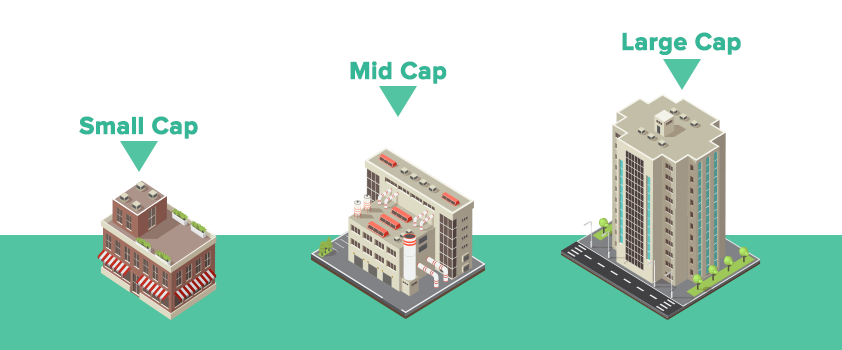
Large Cap vs Mid Cap vs Small Cap Funds: Which Should You Choose?
When you start investing in mutual funds, it helps to get the basics right, because large cap, mid cap, and small cap funds sound similar but they are not. They usually vary by company size, risk level, and how much growth you might realistically expect. Once you understand what each one does you can mix them in a more balanced way, instead of just guessing.
What Are Large Cap Funds?
Large cap funds put money into well established companies, the kind with a big market value. These businesses typically have steadier earnings and a solid market position. Because of that, large cap funds are generally less jumpy, and they tend to give more consistent growth over time. If you want stability and returns that feel more predictable, large cap funds are often the go to option.
What Are Mid Cap Funds?
Mid cap funds focus on medium sized companies. These firms can grow faster than large cap companies, but they also tend to swing more with market mood. So yes, the upside can be higher, yet the bumps are more frequent. Mid cap funds are like a middle ground, balancing growth potential with a moderate risk level. If you’re aiming for returns above large cap, but you can tolerate some volatility, mid cap funds may fit better.
What Are Small Cap Funds?
Small cap funds usually put money into smaller companies with less overall market value. These kinds of businesses can grow fast, but they tend to be more jumpy, overall. Because of that, small cap funds come with higher risk, and not just a little bit either. They fit investors who can deal with sudden shifts, and still think in a long-term way. You may also spot solid upside, but it often shows up alongside the real possibility of sudden, sharp drawdowns.
What’s Unique About Each Fund Type?
Large Cap Funds :
- They put money into big well known companies
- Risk level usually ends up lower to moderate
- Growth tends to feel smoother or calmer
- People with a conservative mindset often choose them, for long range planning and steadier expectations
Mid Cap Funds :
- They focus on medium sized companies
- Risk sits in the middle, kind of balanced
- You often get a decent combo of growth plus upside
- Good fit if you want expansion, but still keep volatility on a leash, more or less
Small Cap Funds :
- They invest in smaller companies that are still emerging
- Risk is higher, no real surprise there
- Returns can be strong, if things go right
- Usually better when your time horizon is longer , and you can stomach more risk
How to Choose the Right Fund
Start by Assessing Your Risk: First, really figure out what amount of risk you can handle. If you’re more careful , large cap funds often end up feeling like the safer option. If you’re more aggressive, small cap funds might look tempting, since the ups and downs can be stronger.
Consider Your Time Frame: If you can wait, mid cap and small cap funds may end up making sense, because their growth story often plays out across years. If you’re working toward a short term goal, large cap funds are usually the calmer fit, overall.
Check Fund Performance: Look at historical returns and see how consistent they’ve been. Past results do not promise future performance, but it can still hint at how well the fund has been managed.
Look at Costs: Review the expense ratio, and also any management fees. Even small cost gaps can chip away at your net returns over time, so it matters more than people think.
Diversify: Don’t lock yourself into only one category. Spreading investments across big, medium and small cap funds can actually cut down concentration risk, a bit. In simple terms, diversification lets you blend steadiness with growth without kind of over leaning on just one segment.
Using Bajaj Broking to Make Decisions
With Bajaj Broking, investors can tap into tools, and insights so they can understand mutual funds in a more clear step by step manner. You can compare different fund categories, check how they performed earlier, and also look at their risk profiles a bit more easily.
All of this tends to help you pick what fits your own financial goals instead of just reacting to random market noise.
Conclusion
Whether you choose large cap , mid cap or small cap funds really depends on how comfortable you are with risk, how long you want to stay invested, and what outcome you’re trying to get. Large cap funds usually aim for steadier growth, mid cap funds work to balance growth with risk , and small cap funds accept higher risk in return for extra growth potential.
If you use resources like Bajaj Broking, along with diversifying across various fund types, you can put together a portfolio that feels more balanced.