
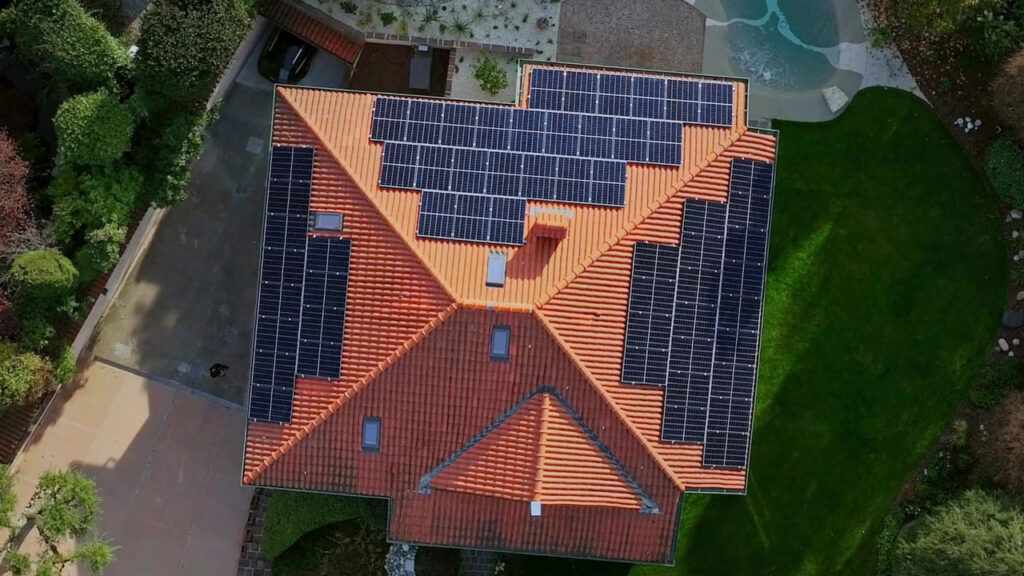
Understanding a solar PV system and Its Day-to-Day Operation
For a house moving from a utility-only supply toward daytime on-site generation, the household, installer and future service technician need to identify which assumptions change costs or expected benefits. That review should cover utilization, operating cost and lifecycle evidence, because the ultimate objective involves comfort, verifiable energy savings, electrical safety and long-term maintainability. For many organizations, the difficult question is not which feature sounds attractive but how a complete installation will perform after handover. A good plan links these practical questions to tests, documented responsibilities and realistic site conditions.
Give monitoring a purpose
A dashboard is valuable when it helps someone spot unexpected consumption, check production trends or recognise a device fault. Useful alerts need a practical response path rather than an endless stream of notifications.
Measured outcomes
Compare energy bills, generation records and consumption changes across comparable months before claiming a savings result. This is also a useful point to identify the maintenance team, the safety procedure and the records needed during a future fault.
Using solar in the day
Laundry, cooling and other flexible loads can sometimes be scheduled during production hours. The value depends on tariff rules and household routines. The owner can ask the designer to identify the measurement that would confirm this expectation after the system is commissioned.
For budgeting purposes, treat solar PV system as a reference for available solution areas, while calculating installed cost and service needs from the actual project scope.
Fault handling
Owners should know which dashboard messages require attention and which require a qualified installer. Safe isolation and contact information are part of the handover. A clear design record helps distinguish a design limitation from a setting, installation or operating problem discovered later.
From modules to circuits
A photovoltaic array produces direct current that must be managed before household circuits can use it. Cable routes, conversion and protection form a connected design. Any related promise should be linked to a documented test method and to the operating conditions for which it applies.
Commercial reviewers can place solar PV system next to a lifecycle cost model, keeping purchase specifications separate from uncertain revenue forecasts.
Inverter choice
The inverter must fit the array configuration and building supply. Confirm compatible inputs, protection, monitoring and any planned storage interface. The responsible team should keep evidence of the assumptions and explain which conditions would trigger a design review.
Roof longevity
The service life of roof coverings and the availability of safe access matter when panels may remain in place for decades. If later expansion is likely, the project should document both the technical interface and any new approval that could be needed.
For a solar PV system, the decisive question is whether the specified functions can be supported by site evidence, safe procedures and an accountable operating model. Each requirement should be reviewed against the actual project, not assumed to apply everywhere.
Keep the business case measurable
A practical review records investment assumptions and compares expected performance with observed conditions. Documented variance matters more than a promise that all projects will behave alike.