
Women Reservation Bill 2026: Key Facts and Latest Updates
PM Modi women reservation speech,33% women quota Lok Sabha, Nari Shakti Vandan Adhiniyam, Modi parliament women seats, women’s reservation failure 2026
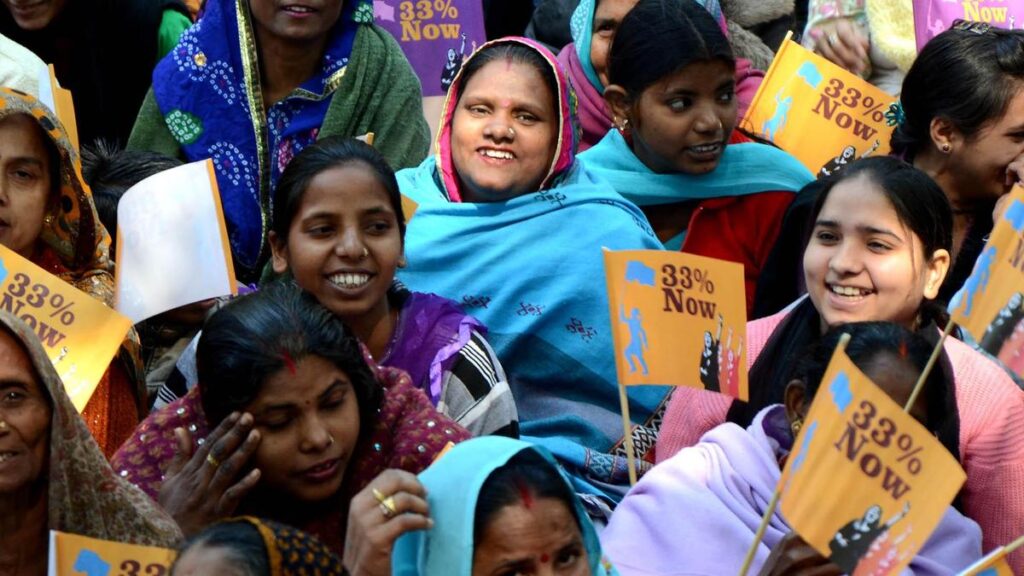
The Women’s Reservation Bill 2026 has sparked big talks in India. For years, people pushed for more women in politics. Now, this bill aims to fix that. It promises a 33% women’s quota in Lok Sabha and state assemblies. However, delays keep coming up. In fact, the bill passed in 2023 as Nari Shakti Vandan Adhiniyam. Yet, it won’t start until after 2026 delimitation.
The Women’s Reservation Bill 2026 in simple terms:
This bill sets aside one‑third of seats for women. Moreover, it covers the Lok Sabha, state assemblies, and the Delhi assembly. But it skips the Rajya Sabha for now. You’ll notice the idea started long back in 1993 with Panchayati Raj. There, 33% of seats went to women. Or
And it led to good outcomes. In many cases, villages saw real change. Women leaders stepped into the front line. However, national politics lagged. That’s why this bill pushes forward.
Furthermore, the government says it boosts Nari Shakti, or women’s power. For instance, more women MPs could mean better laws on health and safety. That said, critics point to twists. They ask if parties will just pick their wives or daughters. Indeed, this happened in local polls sometimes. Still, supporters argue it builds experience over time.
PM Modi Women Reservation Speech: What He Said
PM Modi gave a strong push in his women’s reservation speech. During parliament debates, he called it a historic step. Specifically, he praised women’s role in India’s growth. Woman power will guide us,” he said often. Additionally, he linked it to independence heroes like Sarojini Naidu. Because of that, many cheered.
Even so, opposition raised questions. They pushed for a faster move. Yet Modi explained the need for a census and delimitation first. Therefore, the bill waits till 2029, likely. You’ll notice his speech won claps across aisles. Even so, 2026 brings fresh talks on delays.
33% Women’s Quota in Lok Sabha: How It Works
The 33% women’s quota in the Lok Sabha means 181 of 543 seats are for women. Plus, it rotates seats after each census. So, no area gets fixed spots forever. Meanwhile, current women MPs sit at just 14%. Thus, this jumps numbers fast.
On top of that, states get similar shares. For example, Maharashtra could see 40 women MLAs out of 288. But implementation needs delimitation. That redraws boundaries based on new census data. Consequently, the 2026 census might speed things up. However, experts say 2029 elections will see it first.
Nari Shakti Vandan Adhiniyam: The Formal Title
Nari Shakti Vandan Adhiniyam is the bill’s full name. It translates to ‘Women’s Power Salute Act.’ MPs approved it back in September 2023. Both the BJP and opposition backed it mostly. Nevertheless, tweaks came later. For one, it needed a presidential nod, which it got.
After that, states must ratify. However, there’s a snag. Many states drag feet. Non-BJP rules slow it. That said, over 15 states will be approved by 2025. Therefore, momentum builds. You’ll notice 2026 could push the rest.
Modi’s Parliament Women Seats Push
Modi’s parliament women’s seats drive started early. He promised it in the 2019 manifesto. Then, in the 2023 session, it happened. Still, it hit bumps along the way. Opposition boycotted some votes. Still, 454 MPs said yes in Lok Sabha.
Moreover, Modi tied it to Viksit Bharat by 2047. Women leaders are key to that vision, he said. That said, real-world hitches linger. For instance, ticket denial to women candidates hurts now. Thus, quota forces change.
Why Women’s Reservation Failure 2026 Label Sticks
Some call it women’s reservation failure 2026 because of slips. First, no 2021 census delayed delimitation. Second, assembly polls went ahead without it. For example, the 2024 Lok Sabha had few women picks. Consequently, critics shout failure.
That said, it’s not a total flop. Panchayat success shows promise. In Kerala, women heads turned villages around. In the same way, it might here too. That said, politics gets in the mix. Parties worry about handing over power. Even so, public pressure grows. Surveys show 70% of Indians back it.
Challenges along the path ahead
Several hurdles block quick rollout. Primarily, delimitation waits for the census. India skipped 2021 due to COVID. Now, 2026 or 2027 likely. After that, two years for boundaries. Thus, 2029 polls first.
Additionally, legal fights loom. Some say it skips OBC women quota. The constitution needs a tweak, maybe. However, government plans fix this. You’ll notice states like Bihar already have a 35% local quota. They build the foundation for what lies ahead.
Furthermore, money matters. New seats mean costs. But savings from better policies offset this. For one, women MPs push education funds.
Advantages if the bill becomes law
Picture this. More women in the Lok Sabha mean a focus on girls’ safety. Already, bills like POSH got teeth. Moreover, rural voices grow. Women from villages enter the big league. Consequently, laws fit real life.
In many cases, quotas build skills. Rookies learn fast. Before long, they stand solo. Soon, they lead on their own. India’s global image lifts too. The world sees the equality push.
Quick Facts on the Women’s Reservation Bill 2026
- Allocates 33% of seats for women in Parliament and state legislatures.
- Starts post-2029 delimitation likely.
- Passed as Nari Shakti Vandan Adhiniyam in 2023.
- PM Modi champions it strongly.
- Faces census and ratification delays.
FAQs:
- When will the Women’s Reservation Bill 2026 start?
Expected after the 2029 elections. Delimitation needs time first.
- Does it cover OBC women?
Not yet. But tweaks are possible soon.
- Why does PM Modi’s women’s reservation speech matter?
It rallied support across parties.
- Is the 33% women quota in the Lok Sabha fair?
Yes, it evens odds step by step.
- What about women’s reservation failure claims in 2026?
Delays, yes, but Bill lives on.